Babies With Spina Bifida
Babies With Spina Bifida. The cleveland clinic in ohio alone has done at least 160 surgeries since 2002. Centers for disease control and prevention.
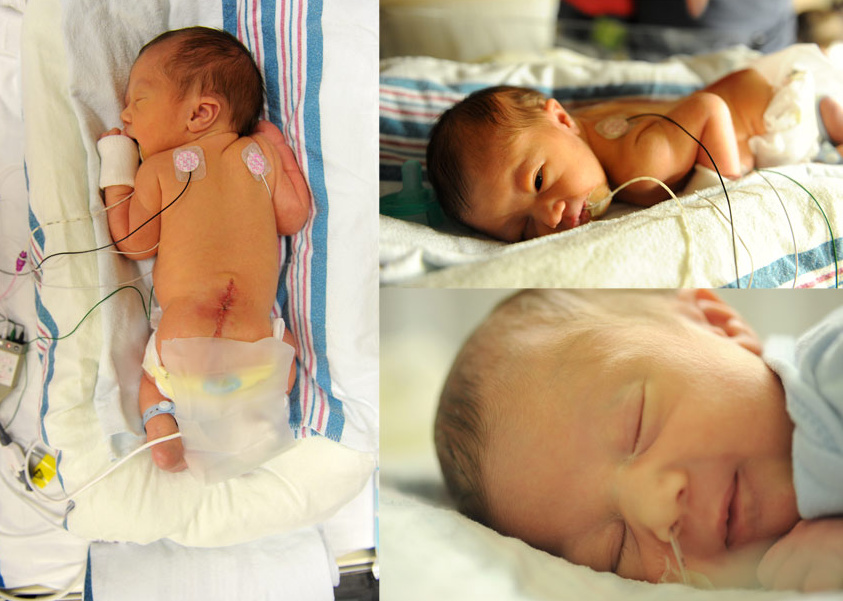
The What Babies Are All About
They are the youngest of members of the human species. While the term baby is commonly used in reference to human offspring, the term infant can also mean the children of other species. In general, infants are younger the age of one year. However, there are some exceptions to this rule. A baby who is less than a month old of age is considered to be a baby.
Baby's first time to test
"Baby's" First Test is an online platform that connects parents with health professionals throughout the newborn screening process. It features educational materials from all over the U.S. and answers frequently asked questions. The site also features stories of families and guides to help families navigate the procedure. A simple search of "baby's First Test" will provide various resources. This test assesses the auditory brain stem of your baby as it's part of the neural pathway that transmits sounds from through the ears and into the brain. It involves putting a small device into the baby's hearing by playing a song, as well as observing the response of the sounds. The test isn't painful, and your baby won't feel any sensation. After the initial screening, the sample of your child will be kept in a secured, locked location for at least two years. This permits the results of the test to be evaluated and improved on. In addition, it allows the lab to perform research and quality assurance projects. After two yearsof use, the samples have to be removed.
Apgar score
The Apgar score for infants is a short assessment of the newborn's health. It is available for just a minute after birth, or even in response to breathing or resuscitation. It's an effective resource for parents and healthcare doctors as well. However, it should not be used as a substitute for medical attention. Apgar scores are based on the sum of several criteria. A lower Apgar score signifies that the baby is at an increased risk for medical intervention however it's not signalling an underlying medical issue. In fact, many babies have a low Apgar score even when they're completely healthy. The doctor will explain what to do But remember that the Apgar score isn't an absolute indicator of health and behavior or personality.
Sleep patterns
Sleep patterns of babies can change throughout the night. It's dependent on the individual baby's needs as well as their age. For instance some babies sleep less at night than others. Likewise, some may sleep for between four and five hours per day. While adults can be asleep for a few hours without disturbing an infant, it is more likely multiple times throughout the night. It is crucial to keep in mind that genes can impact your baby's sleep patterns as well as temperament. A few babies have difficulty falling asleep and are more likely to become more frustrated. Certain babies are more tolerant to change in their sleep routines than other. Genetics also can affect certain aspects of sleep, such as how long they rest at night. Alongside genetic factors, environmental elements can also affect a baby's sleeping patterns. Two studies of 6-month-old babies discovered that genetics may be the reason for about half the variation in the length of the night's sleep however, environmental factors account for the remainder. The duration of the sleeping cycle may be as small by as short as 45 minutes. The newborn's sleep cycle is often interrupted by wake-ups, and sleeping lightly.
Senses
Babies use their senses in order to discover, connect with their caregivers and explore the world. As per Lise Eliot Ph.D. She is also the co-author of What's Going On in There The Way the Mind and Brain Develop during the first five years of Your child's life, their senses begin to develop in the womb. The senses get stronger and more sophisticated as your child grows. The vestibular system senses movement using the inner ear receptors. Proprioception can help your baby to be aware of the body's position as well as develop through the stimulation of movement. These activities help improve the baby's sensory capabilities and increase his or her coordination the balance and concentration.
Health Conditions
Early life events can affect a person's physiology and can make them susceptible to developing disease. One key element of these "programmed impacts" is early nutrition. The domain of developmental origins disorders and illnesses (DOHAD) covers this subject. In addition to the standard inheritance of diseases Non-genetic causes can influence a child's development. In the early days of medical history, diarrhoea and tuberculosis were the most common fatalities in children. Victorians were largely unaware of the fact that bovine tuberculosis was an epidemic of social concern that killed millions of people, and especially children. The airborne illness thrives in homes with a high population density and is often spread through milk. Prior to 1930, milk-related illnesses were responsible for approximately 30 percent of tuberculosis fatalities among infants.
Nutrition
An crucial ways to feed your infant is providing numerous healthy options of food. Fresh vegetables and fruits are excellent sources of nutrients and can help stimulate growth. A baby's diet should also include foods that are rich in nutrients like whole grains. If you're eating, be certain to select items that are low in sodium. It is imperative to provide adequate nutrition for your baby during this critical time. Baby's early years are filled with significant growth, development, and of course, and the appropriate nutrition is vital for healthy organ development and growth. Alongside providing correct foods for your infant Also, it is essential to implement constructive feeding techniques to build an attitude towards food that is healthy and promote healthy eating habits. Make sure that your baby receives enough of growth-promoting and brain-building nutrients such as vitamin A D, and B6, along with the fiber and protein. In addition, infants also need iron, zinc folate, iron, as well as prebiotics.
Connect the family with the spina bifida specialist clinic nearest them. It develops during pregnancy, when the spinal column formation. Fix bowel and bladder problems.
Spina Bifida Babies With Spina Bifida Babies With Spina Bifida Have A Birth Defect In Which The Spine And The Spinal Cord Are Not Formed Properly.
Spina bifida is mostly a genetic defect. Spina bifida is a neural tube defect. They may suffer changes or lack of feeling in their legs, as well as diminished mobility or inability to move.
Connect The Family With The Spina Bifida Specialist Clinic Nearest Them.
Parents and caregivers can help protect the baby’s skin by: The words literally mean split spine in latin. The neural tube is the structure in a developing embryo that eventually becomes the baby’s brain, spinal cord, and the tissues that enclose them.
Children With Spina Bifida May Experience Health Issues As A Result Of Their Condition.
The neural tube is the. Checking the baby’s skin every day for redness, including under braces. Fix bowel and bladder problems.
Causes Of Spina Bifida In Babies.
If a babyhas the condition, during development, the neural tube (a group of cells that. Babies with open spina bifida often have problems controlling their bladder and bowels. Around 1,500 babies are born with spina bifida in the u.s.
This Neural Tube Defect Occurs When The.
Babies born with spina bifida 4 minutes spina bifida is a congenital malformation that affects the baby’s spine. About 1,600 babies are born with spina bifida every year in the u.s., according to the centers for. Trying to avoid hot bath water, hot irons and hot or unpadded seatbelt clasps tha… see more
Post a Comment for "Babies With Spina Bifida"