Why Do Babies Cheeks Get Red
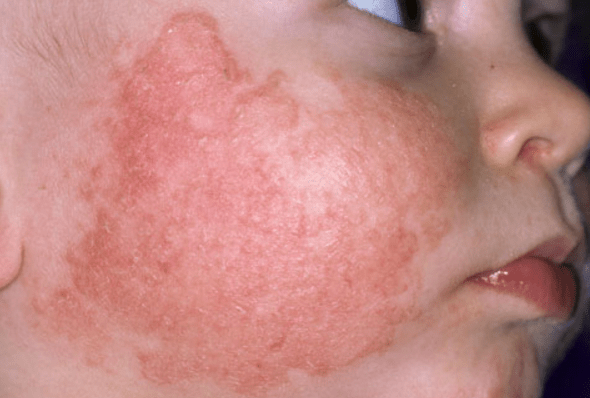
Why Do Babies Cheeks Get Red. Sometimes, red blotches on your baby’s cheeks could be an indicator of an underlying health condition you might not notice right away. By the second or third day after birth, the skin of an infant will lighten and may become dry and even flaky.
The What Babies Are All About
Babies are the youngest members of the human race. Although the term "baby” is normally used to refer to human offspring, the term infant can also refer to the young people of other species. Most infants are younger the age of one year. But, there are exceptions to this standard. If a baby is younger than a month, it is considered to be a newborn aged is thought to be a newborn.
Baby's first time to test
"The Baby's First Test is an online platform that connects parents and health professionals in the newborn screening process. It features educational materials from all over the U.S. and answers frequently asked questions. It also offers articles about families and guides that aid families in understanding the process. A simple search of "baby's initial test" will return many related resources. This test examines your baby's auditory cortex that forms part of the brain stem that can transmit sound signals from the ears to the brain. It involves placing a tiny probe into the baby's ear as well as playing a musical sound as well as observing the response of the sounds. The test isn't painful, and your baby will never feel any sensation. After the initial screening, the sample of your child will be stored in a secured, locked facility for at most two years. This permits the results of the test to be evaluated and improved upon. It also allows the lab to carry out studies and quality control. After two years the samples must be taken away.
Apgar score
The Apgar score for infants is a quick evaluation about the health of newborns. It can be given just a minute after birth, or even as a response to revived infants. It's an excellent tool for parents and healthcare personnel alike. But, it shouldn't be used to substitute to receive medical care. Apgar scores are calculated based on the sum of several criteria. A lower Apgar score means that a baby may be at the risk of medical intervention, however, it's not necessarily the sign of a deeper medical problem. In fact, many babies have the low Apgar score, while being perfectly healthy. Your doctor will tell you the reason why you should be concerned, but keep in mind that this score isn't a definitive indicator of long-term health behaviour, personality, or even behavior.
Sleep patterns
Sleep patterns of babies can change in the evening and at night. It depends on the individual baby's requirements and needs. Some babies take fewer naps at night over others, and some may be sleeping for as long as five hours a day. Adults can sleep for a few hours without disturbing an infant, it is more likely to awake often during the night. It is important to remember that genes can affect the pattern of sleep a baby has and temperament. Some babies have trouble falling asleep and tend to be more angry. Some babies are more flexible to changes in their sleep patterns than others. Genetics also can affect certain aspects of sleep including how long they sleep at night. Alongside genetic factors, environmental factors can influence baby's sleep patterns. Two studies on babies aged 6 months observed that genetics could be responsible for half of the variance in individual on the duration of their sleep at night while environmental factors accounted for the other half. The duration of the sleeping cycle can be as little even as 45-minutes. The newborn's sleep cycle is characterized by frequent wake-ups and short sleep.
Sensations
Babies use their senses to discover, connect with their family members and explore the world. It is said that according to Lise Eliot, Ph.D., author of What's Going On There: How the brain and mind develop during the first five years of Development, your child's sensory abilities develop in the womb. These senses grow stronger and more advanced as your child develops. The vestibular system detects movement by utilizing the inner ear receptors. Proprioception can help your baby learn to recognize the body's position and develops with exercises that encourage movement. These activities will increase the baby's ability to sense and will improve his coordination with balance, concentration, and coordination.
Conditions
The earliest life events could affect the physiology of an individual and make them more susceptible to illness. One key element of these "programmed consequences" is early nutrition. The research field of developmental causes of Health and Disease (DOHAD) examines this issue. Beyond the traditional pathogens that cause disease but also non-genetic factors may affect the development of a child. Early in medical history, diarrhoea along with tuberculosis are major victims in children. Victorians did not realize that bovine tuberculosis could be a problem of society that claimed the lives of many millions of people. This was especially true of children. This disease is prevalent in overcrowded homes and is typically transmitted through milk. Prior to 1930, milk-related disease was responsible in around 30 percent of tuberculosis fatalities among infants.
Nutrition
An crucial methods of feeding your child is to provide various healthy food options. Fresh fruits and vegetables are excellent sources of nutrients and can help promote growth. A baby's meals should contain nutrient-dense foods such as whole grains. When eating food, make sure to select the ones with a low sodium content. It is vital to ensure adequate nutrition for your baby throughout this crucial stage. The first couple of months of a child's life are filled with an accelerated growth rate and growth and a healthy diet is crucial to healthy organ development and growth. While providing proper food intake for your infant as well as using positive techniques for feeding to instill healthy attitudes towards food and encourage healthy eating habits. You should ensure that your infant gets adequate amounts of growth-promoting and brain-building nutrients such as vitamin A, D B6, and A as well as the fiber and protein. Furthermore, babies require zinc, iron folate, iron, and other prebiotics.
The cheeks can also turn red when a baby cries or smiles, due to increased blood flow to the area. This can cause red cheeks, fever, swelling, drooling, irritability,. Fifth disease is also called erythema infectiosum.
Fifth Disease Is Also Called Erythema Infectiosum.
If the baby shows no other signs. She doesn't have a fever, i can't see any sign of a tooth. You can usually tell that teething is the culprit because their red.
It Will Often Become Redder When The Baby Cries, And Their Lips,.
Why does my baby have really red cheeks? Fifth disease is also called erythema infectiosum. I am totally perplexed by my baby (just over 3 months) getting red cheeks on and off every day.
The Cheeks Can Also Turn Red When A Baby Cries Or Smiles, Due To Increased Blood Flow To The Area.
If your baby is not teething, you may be still wondering why are my babies. Why do babies get diarrhoea while. But don't automatically assume it means food allergy.
Sunken Soft Spot On Top Of The Head, Also In Advanced Cases;
Red cheeks might be a result of a rash caused by teething, according to askdrsears.com. Teething rashes happen because your baby’s mouth is salivating constantly, causing a lot of drool to dry out on their cheeks. One major symptom of teething is an increase in your baby's production of.
That Is Something Parents Should Not.
This is because the rash can cause a child's cheeks to. Sometimes, red blotches on your baby’s cheeks could be an indicator of an underlying health condition you might not notice right away. Loose stools are normal in babies under 10 days old.
Post a Comment for "Why Do Babies Cheeks Get Red"