How Do Babies Get Rid Of Waste In The Womb
How Do Babies Get Rid Of Waste In The Womb. During pregnancy, the baby growing in the womb receives oxygen and nutrients and gets rid of waste products. Fetal urine plays an essential role in keeping amniotic fluid at healthy levels, which is necessary for the proper development of the lungs and the overall health of the baby.
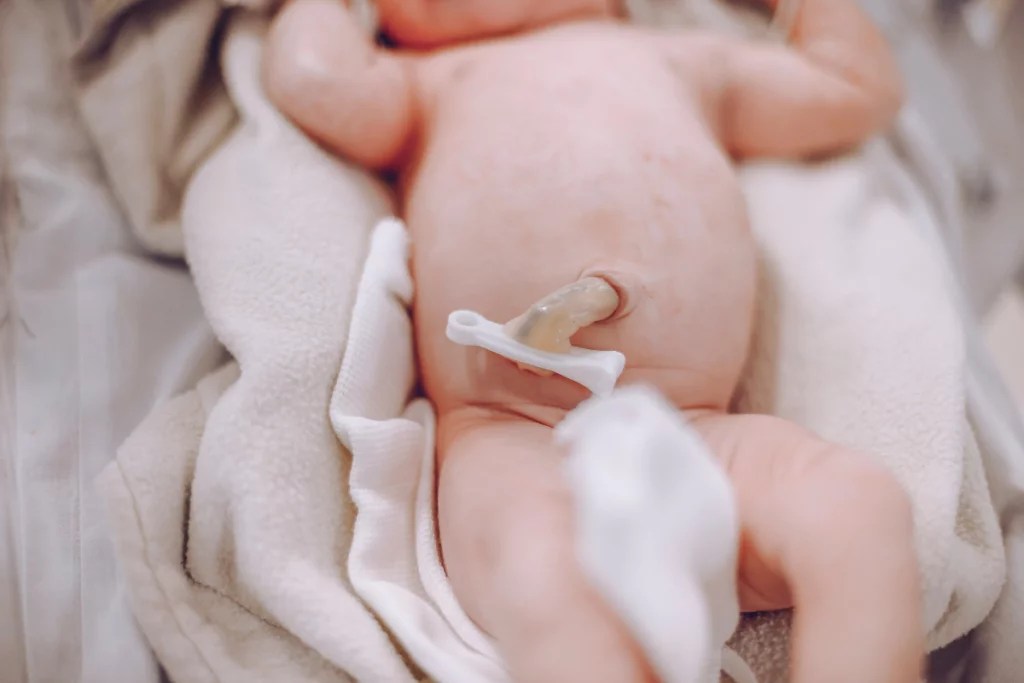
Things Babies Are All About
Babies are the youngest members of the human race. While the term baby is commonly used to refer to human offspring, infant may also describe the juveniles of different species. Most infants are younger than a month old. However, there are a few exceptions to this norm. For infants who are less than a month aged is thought to be a newborn.
Baby's first test
"The Baby's First Test is an online platform that connects parents and medical professionals involved in the infant screening process. It features educational materials from all over the U.S. and answers frequently asked questions. The website also features parents' stories as well as guides to help families navigate the procedure. A simple search of "baby's very first exam" will provide many related resources. This test evaluates the auditory brain stem of your baby which is the nerve that transmits sound signals from hearing to your brain. The procedure involves inserting a probe into the baby's ears by playing a song, and observing how the brain responds to the sound. The test is painless, and your baby will never feel anything. Following the initial screening your child's blood sample will be stored in a locked, secure area for a minimum of two years. This permits the results of the test to be assessed and improved on. Moreover, it allows laboratories to conduct testing and quality assurance as well as research projects. After 2 years, the materials are destroyed.
Apgar score
The Apgar score for babies provides a quick overview of the newborn's health. It is available for just an hour after birth or in response to an emergency resuscitation. It is a valuable device for parents and healthcare providers alike. However, it shouldn't be used as a substitute for medical attention. Apgar scores are determined by the sum of a variety of criteria. A unsatisfactory Apgar score indicates that the baby is at precarious for intervention from a medical professional, however it's not evidence of an undiagnosed medical issue. In reality, lots of babies are born with a low Apgar score, yet they're absolutely healthy. Doctors will tell you the reason you should be concerned be aware that the Apgar score isn't an indicator of the long-term health as well as behavior or personality.
Sleep patterns
Sleep patterns for babies vary between nights. This is based on the specific baby and what they need. For instance, some infants have shorter nighttime naps than others. Likewise, some may rest for as long as four to five hours a day. Adults can sleep for long periods of time without being awakened but a child is more likely to get up at least a few times in the course of the night. It is crucial to keep in mind that genetics can influence babies' sleep patterns and temperament. A few babies have difficulty getting to sleep and tend to become more frustrated. Some babies are more adaptable to changing their sleeping patterns than others. Genetics can also influence certain aspects of sleep like how long the sleep time at night. In addition to genetics, environmental elements can also influence baby's sleep habits. Two studies of infants aged 6 months discovered that genes may account for the majority of individual differences in the length of the night's sleep however, environmental factors account for the remaining half. The length of a sleep duration can be as minimal in as little as 45 minutes. The sleep cycle of newborns is often interrupted by wake-ups, and restless sleep.
Sensation
Children use their senses to learn, develop relationships with their caretakers and explore their world. This is according to Lise Eliot, Ph.D. the author of What's Going in There: How the Brain and Mind Grow in the First Five Years of Your child's life, their senses develop in the womb. These senses become stronger and more refined as your child grows. The vestibular system is able to detect changes in the ear's inner receptors. The proprioception sensor helps your baby become aware of their body's location and develops with exercises that encourage movement. These activities help improve the baby's sensory set and improve his or her coordination as well as balance and concentration.
Infections
The very first events in life can alter a person's physiology and cause them to be more susceptible to diseases. One of the most important components of these "programmed impacts" is early nutrition. The study of the developmental origins of health and disease (DOHAD) investigates this problem. Alongside the conventional inherited causes of disease Non-genetic causes can affect the development of children. The early times in medical history, diarrhoea as well as tuberculosis were among the killers in children. Victorians did not realize that bovine tuberculosis could be a social problem that killed many millions of people. This was especially true of children. The disease spreads through air when there is a lot of people living in the same space and is usually transmitted via milk. Before 1930, milk related illnesses were responsible for approximately 30 per cent of tuberculosis death among infants.
Nutrition
The most crucial measures to feed your child is to offer diverse healthy meals. Fresh vegetables and fruits are a great source of nutrients and help to boost growth. Your baby's meal should contain nutrient-dense foods such as whole grains. While consuming foods, be sure to select those that are low in sodium. It is imperative to provide an optimal diet for your child during this critical time. The first months of your baby's life are full of significant growth, development, and of course, and the appropriate nutrition is crucial to ensure optimal growth and organ development. Alongside providing right foods for your baby Also, it is essential to implement positive feeding strategies to help develop the right attitude toward food and promote healthy eating habits. You should ensure that your infant is receiving adequate amounts of growth-promoting and brain-building nutrients such as vitamin A, D B6, in addition to proteins and fiber. Furthermore, babies need iron, zinc folate, iron, and prebiotics.
In utero pooping is less common. The fetal urine is excreted into amniotic fluid. u.s. By 40 weeks of pregnancy,.
How Do Babies Get Rid Of Waste In The Womb?
Yawn yawning and yawning start around the twelfth week. The purpose of this is to take the first. We did this through the placenta that connected our digestive system to theirs, and.
Highlighted Below Are 10 Special Things That Your Baby Does In The Womb:
If needed, the procedure can be repeated. By eating right, getting enough sleep, limit stress, continue with your normal physical exersize but don’t overdo it, don’t smoke, drink or do illegal. Babies are inside the womb.babies will occasionally poop before being born, but the waste usually exits their bodies as urine.
Through The Umbilical Cord, The System Not Only Carries Things Like Water, Glucose And Vitamins To The Developing Fetus And Supplies It With Oxygen;
Through the umbilical cord, the system not only carries things like water, glucose and vitamins to the developing fetus and supplies it with. The placenta performs these crucial functions. At the same time, it carries away waste.
By Through The Umbilical Cord, The System Not Only Carries Things Like Water, Glucose And Vitamins To The Developing Fetus And.
How do babies get rid of waste in the womb? Fetal urine plays an essential role in keeping amniotic fluid at healthy levels, which is necessary for the proper development of the lungs and the overall health of the baby. It connects to the umbilical.
How Do Babies Get Rid Of Waste In The Womb?
The traces of meconium can be removed with suction. While babies are unable to fart in the womb, they do produce urine and waste. After all, like farting, burps are created from excess gas, and since the womb lacks air pockets, burps cannot develop.
Post a Comment for "How Do Babies Get Rid Of Waste In The Womb"